Glossary of Terms:
- Thermostat: The device used to control the temperature in your home.
- Pilot Light: A small flame that ignites the burner in older gas furnaces.
- Circuit Breaker: A safety mechanism that shuts off electricity when there’s an overload.
- Igniter: A component in modern furnaces that lights the burners without the need for a pilot light.
- Air Filter: A component that removes particles from the air to maintain HVAC efficiency.
- Blower Motor: The part of the furnace that pushes heated air through the ducts.
- Limit Switch: A safety device that turns off the furnace if it overheats.
- Gas Valve: The valve that controls the flow of natural gas to the furnace.
Initial Steps to Troubleshoot a Furnace That Won’t Start
When your furnace refuses to start during the colder months, it can be both frustrating and uncomfortable. Before calling for professional help, there are several troubleshooting steps you can take that might save you time and money. Here’s what you can do:
1. Check the Thermostat Settings
Start with the simplest solution—ensure your thermostat is set to “heat” and the temperature is set higher than the current room temperature. Double-check that it’s not on “fan only” or “cool,” which could prevent the furnace from turning on. If you have a programmable or smart thermostat, ensure the schedule is set correctly and the batteries (if applicable) are not dead.
2. Inspect the Circuit Breaker
A tripped circuit breaker is a common issue that can prevent a furnace from starting. Head to your electrical panel and look for the breaker labeled “furnace.” If it’s tripped, switch it off and then back on to reset it. If it continues to trip, this could indicate an electrical issue, and professional intervention may be needed. Learn more about thorough heater repair services to keep your system safe.
3. Confirm the Pilot Light or Igniter Is Working
Older gas furnaces rely on a pilot light to ignite the burners. If the pilot light is out, follow your manufacturer’s instructions to safely relight it. For modern furnaces with electronic igniters, listen for the clicking sound that indicates the igniter is working. If you don’t hear anything, the igniter might need to be replaced.
4. Examine the Air Filter
A dirty air filter can restrict airflow, causing your furnace to shut down as a safety measure. Inspect your filter and replace it if it appears clogged with dust and debris. This is a simple but crucial step for maintaining system efficiency. Visit our air filter services to explore filter options.
5. Check the Furnace Switch and Door
Make sure the furnace’s power switch (typically located near the unit) is in the “on” position. Additionally, some furnaces have a door switch that automatically cuts power when the front panel is removed. Ensure the panel is securely closed to activate the switch.
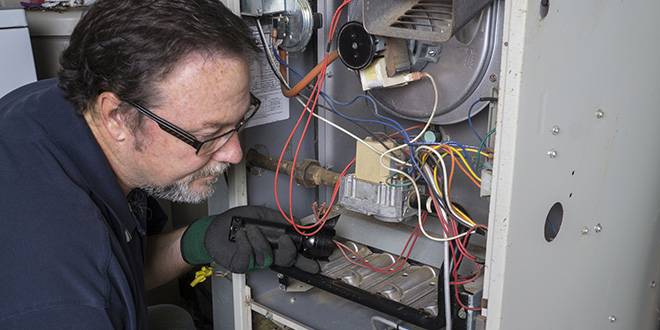
Common Furnace Problems and Quick Solutions
| Problem | Likely Cause | Quick Solution |
| Furnace won’t start | Thermostat set incorrectly | Reset thermostat settings |
| Furnace turns on and off quickly | Dirty filter or thermostat issue | Replace filter, check thermostat |
| Pilot light won’t stay lit | Faulty thermocouple | Adjust or replace thermocouple |
| No heat but fan runs | Clogged filter or blower issue | Change filter, inspect blower |
| Furnace doesn’t respond | Tripped breaker or power switch | Reset breaker, check switch |
This table provides a quick reference to common furnace issues and their straightforward fixes. For persistent problems, you might need professional residential heating services.
Fun Facts About Furnaces
- The modern central heating system has its roots in ancient Rome, where they used “hypocausts” to heat public baths and homes.
- Regularly changing air filters can improve HVAC efficiency by up to 15%, helping you save on energy bills.
- The U.S. Department of Energy reports that upgrading to a high-efficiency furnace can save up to $500 annually in heating costs.
- Your furnace’s lifespan can extend up to 20 years with proper maintenance.
FAQs: Troubleshooting Your Furnace
Q: Why does my furnace turn on but not blow hot air?
A: This could be due to a clogged air filter or an issue with the blower motor. Inspect the filter and replace it if needed. If the problem persists, it’s time to call for professional help.
Q: What should I do if my furnace is making strange noises?
A: Rattling, squealing, or banging noises could indicate various issues such as loose parts, motor problems, or ductwork issues. It’s best to have a professional inspect it to prevent further damage.
Q: How often should I schedule maintenance for my furnace?
A: An annual maintenance check before the winter season can help ensure your furnace operates efficiently and safely throughout the season. Explore our heater maintenance services for more details.
Q: What should I do if my pilot light won’t stay lit?
A: A pilot light that won’t stay lit may have a problem with the thermocouple or gas valve. Adjusting or replacing the thermocouple can often solve the issue, but if the problem persists, contact a professional.
Q: My energy bill has increased, but my furnace seems to be running fine. Why?
A: High energy bills can be caused by reduced efficiency due to dirty air filters, leaks in ductwork, or an aging furnace. Ensuring regular maintenance and replacing filters can help reduce your bills.
For more detailed answers or further assistance, you can always reach out to our expert HVAC team.
Is It Time to Call a Professional? Quick Quiz
- Does your furnace fail to start despite checking the basics? [Yes/No]
- Are you experiencing persistent noises or irregular heat? [Yes/No]
- Have you not serviced your furnace in over a year? [Yes/No]
- Is your energy bill unusually high this winter? [Yes/No]
- Do you notice unusual smells when your furnace is running? [Yes/No]
If you answered yes to any of these questions, it may be time to consult with a professional. We offer residential heating services and expert advice.
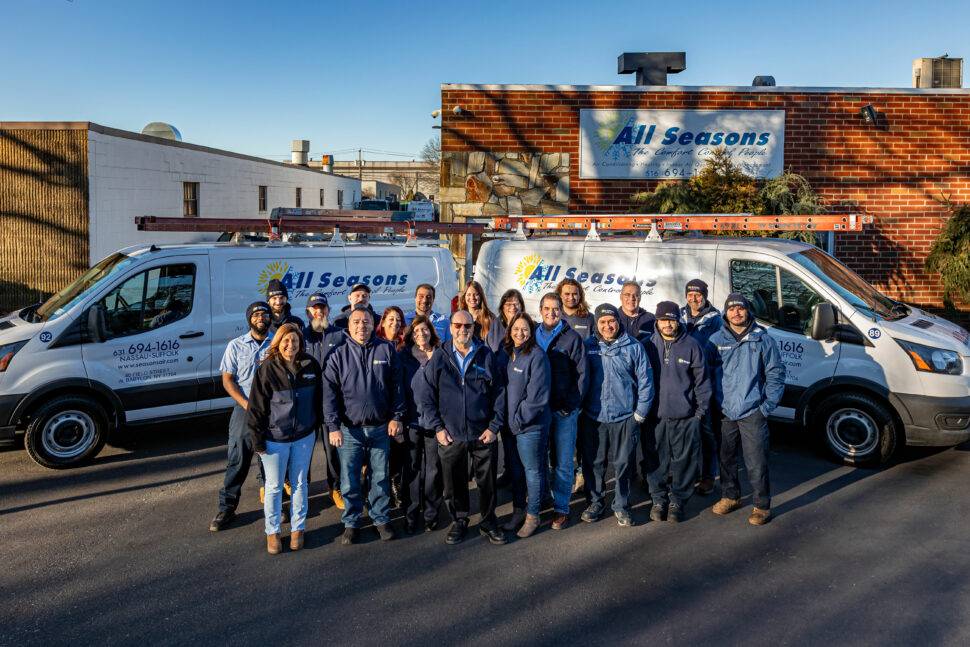
Keep Your Home Warm with All Seasons Air Conditioning
When troubleshooting your furnace, these tips can help you identify common issues and potentially fix them yourself. However, some problems require expert care. Trust All Seasons Air Conditioning to provide reliable HVAC solutions that keep your home warm and safe during winter. Ready for peace of mind? Contact us today for professional assistance and comprehensive service.