Glossary of Terms:
- Carbon Monoxide (CO): A colorless, odorless, and highly poisonous gas produced by burning fuels such as gas, oil, wood, or coal.
- CO Detector: A device designed to alert occupants when carbon monoxide levels in the air become dangerously high.
- Ventilation: The movement of air in and out of a space, crucial for preventing CO buildup.
- Backdrafting: A condition where exhaust gasses from appliances are drawn back into the home, rather than venting outside.
- Heat Exchanger: A part of the furnace that heats the air; if cracked, it can leak carbon monoxide.
- Combustion Appliances: Devices that burn fuel to produce heat, including furnaces, stoves, and water heaters.
- Pilot Light: A small flame that ignites the main burner in gas appliances, which should burn blue if operating correctly.
Understanding the Dangers of Carbon Monoxide in Winter
Winter is when heating systems are working their hardest, making it the season when the risk of carbon monoxide (CO) leaks is highest. CO is a silent, invisible threat that can be fatal if it accumulates in enclosed spaces. Knowing how to prevent CO leaks and what signs to look for can make all the difference in protecting your family’s safety. Here are key strategies to reduce the risk of carbon monoxide exposure this winter.
Schedule Regular Furnace Maintenance for Safety
A well-maintained furnace is your first line of defense against carbon monoxide leaks. Over time, components such as the heat exchanger can develop cracks, allowing CO to escape into your home. Scheduling annual maintenance checks with a trusted HVAC provider ensures that your system is inspected for potential issues before they escalate. Regular servicing also helps maintain efficiency, reducing wear and tear that can lead to dangerous leaks. For professional help, explore our heater maintenance services.
Install Carbon Monoxide Detectors Properly
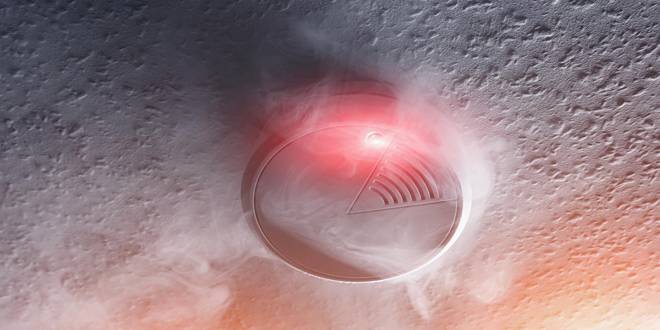
Installing CO detectors in key areas of your home is essential. These devices provide early warnings when CO levels become unsafe, giving your family time to evacuate or ventilate the space. For maximum protection, place detectors outside bedrooms, in hallways, and on every floor of your home. Avoid placing them directly next to fuel-burning appliances to prevent false alarms. CO detectors should be tested monthly, and batteries replaced twice a year to ensure reliability. The detectors themselves should be replaced every 5-7 years as sensors degrade over time.
Ensure Proper Ventilation and Exhaust Maintenance
Good ventilation is crucial to keeping combustion gasses from building up in your home. Inspect vents, chimneys, and flues regularly to ensure they are free from blockages such as leaves, snow, or debris. Blocked or partially obstructed vents can cause dangerous backdrafting, where exhaust gasses re-enter the living space instead of being expelled outside. Additionally, homes with tight insulation should consider mechanical ventilation systems that allow for better air exchange without compromising energy efficiency. To improve your home’s ventilation and overall indoor safety, check out our indoor air quality services.
Monitor Pilot Lights and Burner Flames
If you use gas appliances, make it a habit to check the pilot light and burner flame color. A healthy pilot light or burner flame should be blue, indicating that the gas is burning efficiently. A yellow or flickering flame could signal that there is incomplete combustion, which may result in carbon monoxide production. If you notice a yellow flame, stop using the appliance and have it inspected by a professional right away.
Keep Appliances in Good Condition
Every fuel-burning appliance in your home—from water heaters to gas stoves—should be kept in good working order to prevent carbon monoxide leaks. Follow the manufacturer’s maintenance guidelines and consider annual check-ups by qualified technicians. Routine inspections ensure that all components, such as flue pipes and gas connections, are secure and functional. Faulty or poorly maintained appliances can be significant sources of carbon monoxide, so don’t overlook this vital step in CO prevention. For complete support with appliance maintenance, explore our residential heating services.
Key Signs of Carbon Monoxide Poisoning and Preventative Actions
| Signs of CO Poisoning | Preventative Actions |
| Dizziness and headaches | Install CO detectors and test them regularly |
| Nausea and shortness of breath | Schedule annual heating system maintenance |
| Confusion or blurred vision | Keep vents and exhausts clear |
| Weakness or fatigue | Inspect pilot lights for blue flame |
| Loss of consciousness | Maintain and service combustion appliances |
This table highlights the common symptoms of carbon monoxide exposure and proactive measures to take to prevent it. Staying informed can protect your household from the silent danger of CO.
Fun Facts About Carbon Monoxide and Home Safety
- Carbon monoxide is lighter than air and tends to rise with warm air currents, which is why placing detectors on each level is essential.
- Modern CO detectors often have a “peak level” memory, allowing you to review past CO levels that may have been detected in your home.
- It’s estimated that over 400 deaths and 50,000 emergency room visits in the U.S. each year are due to accidental CO poisoning.
- Sealing a home for energy efficiency can trap CO inside if not properly ventilated. A balance between insulation and airflow is crucial for safety.
FAQs About Preventing Carbon Monoxide Leaks
Q: How often should I test my carbon monoxide detectors?
A: CO detectors should be tested at least once a month to ensure they are functioning properly. Make it a habit to test them when checking smoke alarms or during monthly home maintenance.
Q: Is there a specific place where CO detectors should be installed?
A: Yes, CO detectors should be installed outside all sleeping areas, on each level of your home, and near fuel-burning appliances. Don’t place them directly next to windows or bathrooms, as humidity can trigger false alarms.
Q: How can I tell if my furnace or heating system is producing carbon monoxide?
A: While you can’t detect CO by smell or sight, signs such as a yellow pilot light, black soot around the furnace, or rust on flue pipes may indicate a problem. If you see any of these signs, it’s crucial to have your system inspected by a professional.
Q: Can electric space heaters produce carbon monoxide?
A: No, electric space heaters do not produce carbon monoxide as they don’t burn fuel. However, space heaters powered by gas, kerosene, or propane do have the potential to release CO if used improperly or in enclosed spaces without ventilation.
Q: How can I prevent backdrafting in my home?
A: To prevent backdrafting, make sure all ventilation systems and chimneys are clear of obstructions, and ensure your home is properly ventilated. Mechanical ventilation systems or regularly opening windows can help maintain proper airflow.
Q: Are older furnaces more likely to leak carbon monoxide?
A: Yes, older furnaces are more prone to wear and tear, leading to issues like cracked heat exchangers. Regular heater repair services and maintenance are essential to prevent leaks in aging systems.
If you have any more questions or want a thorough checkup of your heating system, feel free to reach out to our experienced team for assistance.
Stay Safe This Winter with All Seasons Air Conditioning
Preventing carbon monoxide leaks in the winter is essential for your family’s safety and well-being. From scheduling regular HVAC maintenance to using CO detectors effectively, taking these precautions can keep your home protected. Let All Seasons Air Conditioning help you maintain a safe, warm, and efficient home. Contact us today to schedule your heating maintenance or learn more about our expert services.