

Glossary of Terms:
- Thermostat: A device that controls the temperature of a heating system.
- Insulation: Material used to prevent heat loss from a building.
- Energy Efficiency: Using less energy to provide the same service or output.
- Duct Sealing: The process of closing gaps in HVAC ducts to prevent air leaks.
- Heat Pump: A device that transfers heat energy from a source to another location.
- Zoning Systems: HVAC systems that allow different areas of a home to be heated or cooled independently.
- Programmable Thermostat: A thermostat that can be set to automatically adjust temperature settings at specific times.
Smart Tips to Cut Heating Costs This Winter
Heating your home efficiently during the winter months is crucial for both comfort and cost savings. By implementing a few key strategies, you can keep your home warm without inflating your energy bills. Here’s how you can make it happen:
Adjust Your Thermostat for Optimal Use
One of the easiest ways to save on heating costs is to adjust your thermostat strategically. Lowering the thermostat by 7-10 degrees for at least 8 hours a day, such as when you’re at work or asleep, can lead to energy savings of up to 10% annually. For ultimate convenience, programmable or smart thermostats can automate these adjustments for you, ensuring that you maintain comfort when needed while saving when it’s not.
Seal Drafts and Air Leaks
Heat loss through drafts is one of the most common issues in homes during winter. Cold air infiltrates through gaps around windows, doors, and even electrical outlets, making your heating system work overtime. By applying weather stripping, caulking around windows, and adding door sweeps, you can effectively seal these leaks and keep warm air inside. This not only helps reduce heating costs but also enhances overall home comfort.
Enhance Insulation
Quality insulation acts as a barrier that prevents heat from escaping your home. Attic insulation is particularly important since heat rises and can be lost through the roof if not properly contained. Wall and floor insulation can also contribute to significant energy savings. By insulating your home well, you can potentially reduce heating costs by 15-25%, making it a worthy investment for long-term energy efficiency. For more detailed maintenance to keep your system efficient, explore our heater maintenance services.
Keep Your Heating System Maintained
Routine HVAC maintenance ensures that your heating system runs efficiently throughout the colder months. Regular check-ups can identify and resolve issues before they become expensive problems, improving system efficiency and extending its lifespan. Dust and debris can clog your system, making it work harder and use more energy. Simple maintenance measures like cleaning vents, checking ducts for leaks, and ensuring proper airflow can keep your system in peak condition. Learn more about maintaining your heating system with our residential heating services.
Change Your Air Filter Regularly
Air filters play a crucial role in maintaining a steady airflow through your HVAC system. A clogged filter can reduce efficiency, forcing your heating system to consume more energy to distribute warm air. Replacing filters every 30-60 days during heavy use seasons ensures optimal performance and can lower heating costs. For more information on the benefits of air filter maintenance, check out our indoor air quality services.

Savings by the Numbers: Winter Heating Efficiency
| Cost-Saving Measure | Potential Savings | Details |
| Lowering thermostat by 7-10 degrees | Up to 10% annually | Ideal for nighttime or when away |
| Sealing air leaks | 10-20% reduction in heating loss | Cost-effective and quick solution |
| Adding insulation | 15-25% energy savings | Prevents significant heat loss |
| Regular HVAC maintenance | 5-15% improved efficiency | Reduces the risk of breakdowns |
These figures highlight how even small steps can lead to considerable savings over the winter season.
Maximize Your Thermostat’s Potential
A programmable or smart thermostat can be a game-changer for efficient heating. Programming your thermostat to lower the temperature while you’re out of the house or asleep can optimize your energy usage. Some smart thermostats even have learning capabilities, adapting to your schedule and preferences to create the most efficient heating plan. This not only saves money but also ensures that you come back to a warm, comfortable home. If you need assistance with thermostat upgrades or heating system adjustments, our heater repair services can help.
Utilize Natural Heating Sources
Taking advantage of natural sunlight is a simple way to boost indoor warmth without extra cost. During sunny winter days, keep curtains open to allow sunlight to warm rooms naturally. Close them at night to add an extra layer of insulation. Similarly, running ceiling fans in reverse can push warm air down from the ceiling, distributing it evenly and reducing the need to crank up the heat.
Fun Facts About Heating and Winter Energy Use
- Using space heaters for prolonged periods can be up to 5 times more costly per hour compared to running a central heating system.
- Modern HVAC systems can be up to 30% more efficient than older models, making upgrades a smart choice for long-term savings.
- The U.S. Department of Energy notes that properly sealed and insulated homes can save homeowners around 15% on heating and cooling costs each year.
- Energy-efficient windows, while initially expensive, can pay for themselves over time by significantly cutting down on heat loss.
FAQs About Reducing Heating Costs
Q: Should I completely turn off my heating system when I’m not home?
A: Turning your heating system completely off can actually be less efficient. Lowering it instead helps maintain a moderate temperature that doesn’t overwork the system when it needs to heat back up.
Q: How often should I schedule maintenance for my heater?
A: It’s recommended to have your heater checked annually to ensure peak performance, particularly before the start of winter. Schedule a service with our maintenance experts.
Q: Does closing vents in unused rooms help reduce heating costs?
A: This can backfire if not done correctly, as closing too many vents can cause pressure imbalances and stress on your HVAC system. It’s better to have a zoned heating system for efficient room-specific heating.
Q: What type of insulation should I use to maximize heating efficiency?
A: The best type of insulation depends on your home’s design, but fiberglass, foam board, and spray foam are common and effective options. Upgrading insulation can yield significant savings.
Q: Can dirty air filters really impact my heating costs?
A: Yes, clogged air filters reduce airflow, making your system work harder and use more energy. Replacing them regularly helps maintain efficiency.
Q: Are there government programs to help cover the cost of energy-efficient home improvements?
A: Many states offer rebates and incentives for home energy improvements, including insulation and HVAC system upgrades.
Explore more ways to enhance indoor comfort and cut costs by checking out our indoor air quality solutions.
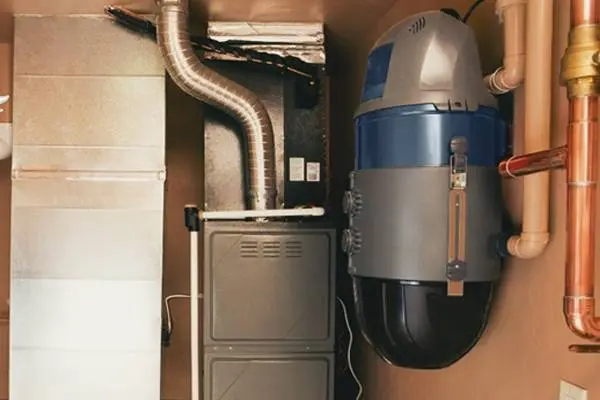
Stay Cozy While Saving with All Seasons Air Conditioning
Lowering your heating costs this winter doesn’t have to be complicated. From simple thermostat adjustments to strategic insulation improvements, there are plenty of ways to stay warm without the high price tag. Let All Seasons Air Conditioning be your partner in achieving a comfortable, cost-effective home environment. Ready to take the next step? Contact us today for personalized assistance and reliable services.